
When Home Isn’t Safe: How Gender-Based Violence Drives Migration to the U.S.
There’s a moment in almost every psychological evaluation I conduct for asylum seekers when the air shifts. — a long pause, a trembling inhale, a story someone never thought they’d have to speak aloud. These moments remind me that many people don’t immigrate to the U.S. for opportunity alone. They come because home stopped being safe. They come because violence entered their bodies and their families. They come because staying meant risking their lives. For so many, the violence they flee is gender-based, intimate, and often state-sanctioned or state-ignored.
The Global Reality: GBV Isn’t Rare — It’s Everywhere
Gender-based violence (GBV) is not a fringe problem — it is a global crisis that disproportionately affects women, girls, and LGBTQIA+ individuals, especially those who become displaced. GBV shows up in many forms — intimate partner violence, sexual assault, child abuse, “corrective” violence against LGBTQIA+ people, exploitation by those in power, etc. It is global, and it is devastating. To understand the magnitude, consider the following global statistics:
* Over 60 million displaced or stateless women and girls face heightened risks of GBV.
* Only 61% of refugees and asylum seekers know where to access GBV-related services.
* In conflict and displacement settings, intimate partner violence risk is 20% higher than average.
Deterrence-based migration policies have made things even more dangerous:
* 30%–90% of migrants experience GBV during their journey.
* Nearly 68% report rape or frequent sexual assault while migrating.
What I Hear in the Room: Stories No One Should Ever Carry Alone
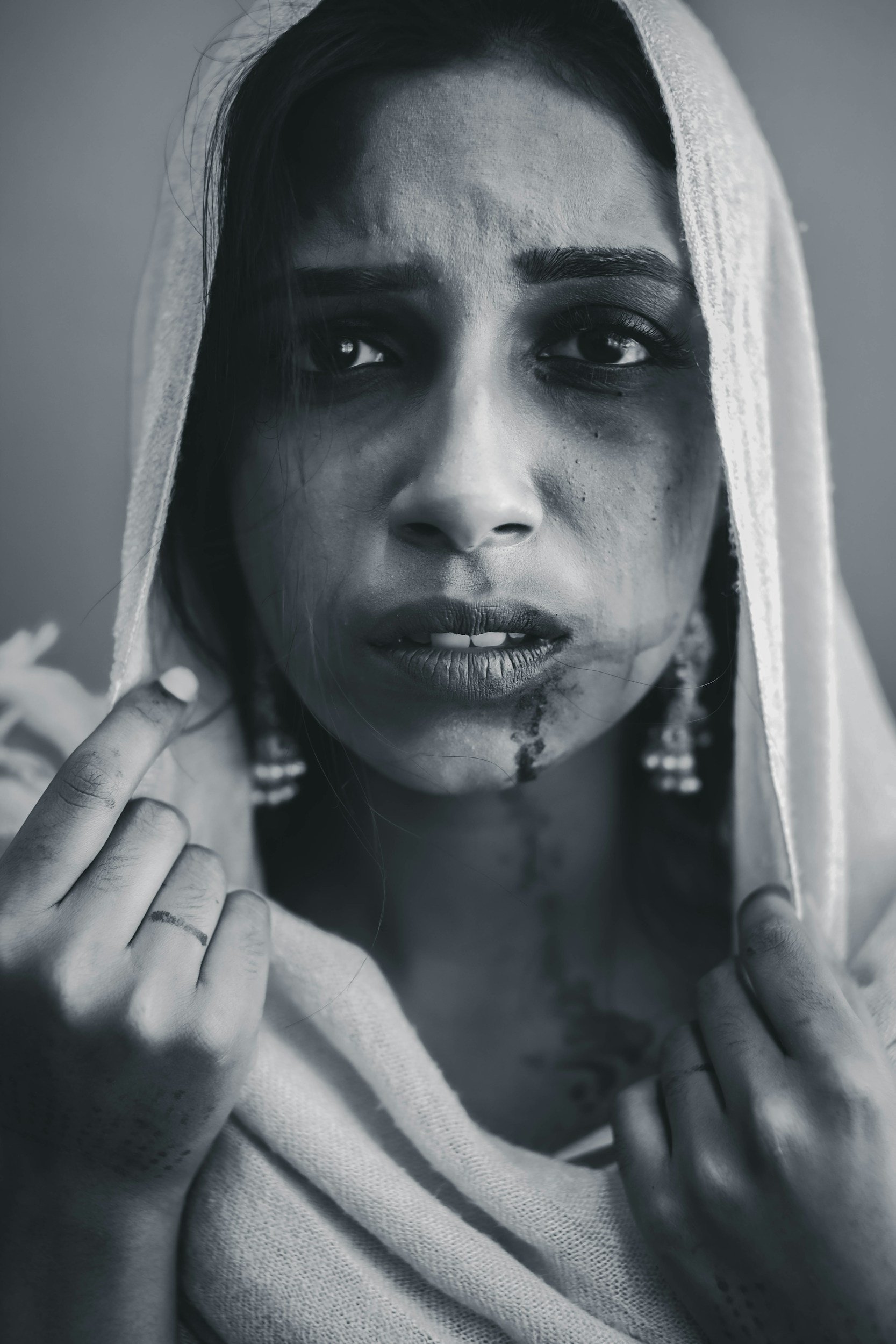
In my role conducting psychological evaluations for immigrants seeking asylum or a change of status in the U.S., I’ve heard stories that stay with me long after the evaluation ends. Stories that live under the skin. Behind these numbers are the people fighting to have their stories heard — survivors carrying unbearable experiences. Some stories are almost physically painful to hold. There is the young girl “given” to her teacher for marriage, repeatedly violated by the person meant to protect her. There is the mother who had just given birth, sexually assaulted only days later and punched in the very area where she still had surgical stitches. There is an LGBTQIA+ woman who was sexually assaulted as punishment for her identity — violence inflicted to “correct” who she is. There is a family lovingly raising a child conceived through rape, choosing compassion despite the judgment and danger surrounding them.
But another pattern emerges across many of the stories I’ve heard: survivors often flee alone. They don’t have the luxury of waiting to gather their families or secure safe passage together. Many escape with only the clothes on their backs, leaving children, spouses, and parents behind because staying even one more day could put them in greater danger. They often spend months or even years separated from their loved ones, living with the constant fear that those they left behind may also be targeted or harmed.
Why They Can’t Go Back
For many survivors, returning home isn’t an option. Not now. Not ever. Some survivors have been detained on unfounded political allegations, a tactic commonly used in unstable or corrupt systems to silence people — or simply to exert power over them. Inside these detention centers, many have endured sexual assault by guards or officials who act with total impunity. These are not isolated incidents; they are tools of domination and suppression. The trauma from such experiences is often compounded by the injustice of the false accusations themselves. For many survivors, returning home is not an option. They would be returning to the same systems, the same perpetrators, the same state or community actors who abused, ignored, or punished them. In many countries, reporting sexual violence can lead to retaliation, and authorities often dismiss gender-based violence as a “private matter,” refusing to intervene at all. LGBTQIA+ individuals face criminalization or public humiliation simply for existing, and detention centers frequently operate without oversight, creating environments where abuse and exploitation flourish. To make matters worse, perpetrators often hold positions of power — teachers, police officers, political figures, or community leaders — leaving survivors with nowhere safe to turn. Given these realities, migration isn’t about ambition — it’s about survival.
The Strength of Survivors: What They Teach Me
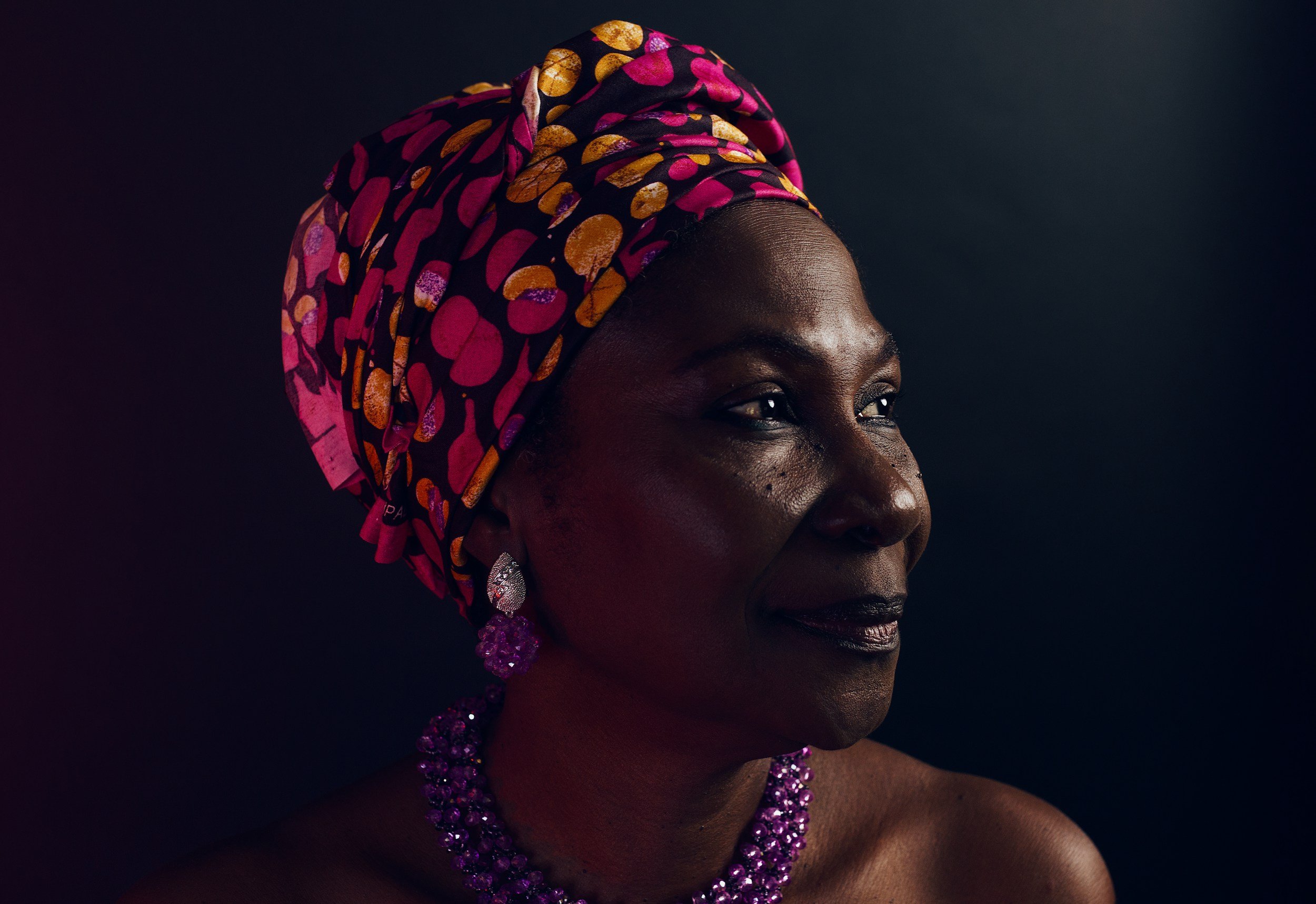
Even through unimaginable pain, survivors show extraordinary resilience. Despite everything they’ve been through, the resilience I witness is extraordinary. The girl assaulted by her teacher still dares to dream of a safer future. The postpartum mother fights fiercely for herself and her child. The LGBTQIA+ survivor refuses to erase her identity, even when the world tried to punish her for it. And the family raising a child conceived through violence demonstrates a kind of love that defies every stereotype. Their stories make it painfully clear that the U.S. must continue to recognize the deep connections between gender-based violence and asylum. While GBV is not explicitly listed as its own category in immigration law, it often fits within “membership in a particular social group,” and must be understood through a trauma-informed lens. Survivors need humane, compassionate processes — not disbelief, not re-traumatization, not further punishment for running toward safety.
What the U.S. Needs to Understand
If we truly want an immigration system rooted in fairness and humanity, we have to start by acknowledging several truths. Gender-based violence is a legitimate reason for asylum; even though it isn’t explicitly named in U.S. asylum law, it often falls under persecution based on “membership in a particular social group,” and these claims deserve recognition rather than skepticism. We must also accept that deterrence doesn’t stop violence—it only forces people into more dangerous migration routes where the risk of gender-based violence increases. Trauma-informed practices are essential at every stage, from interviews to court hearings, so that survivors are met with understanding rather than re-traumatization. And finally, services for GBV survivors—shelters, legal support, mental health care—are not luxuries but lifelines that make safety and healing possible.
A Call to Action: What You Can Do Right Now
If these stories move you — as they should — consider taking action:
1. Learn and share.
Knowledge is power. Lift up the truth about why people migrate. Push back against stereotypes.
2. Support organizations protecting survivors.
Donate, volunteer, amplify. GBV-focused immigrant support organizations are always underfunded.
3. Vote with GBV survivors in mind.
Support candidates and policies that prioritize humane asylum processes and protections.
4. Believe survivors.
Even in everyday conversations. Especially when someone tells a story that’s hard to hold.
5. Advocate for trauma-informed reforms.
Whether you’re a professional or a community member, your voice matters.
As a society, we can help. We can all play a role in creating a safer, more compassionate world for survivors. That begins with learning about the realities of gender-based violence in migration and supporting the community organizations that serve those affected. It means advocating for trauma-informed, humane immigration policies and voting for leaders who understand the true cost of deterrence-based systems. Most importantly, it requires believing survivors when they trust us enough to share their stories.
When We Listen, We Make Space for Healing
I carry these stories not because they belong to me, but because they speak the truth about why people flee and why they cannot return. They remind me that asylum seekers aren’t leaving their homes because they want to — they’re leaving because they must. If we can work toward a world where survivors can feel safe without crossing oceans or borders, that would be a world worth striving for.
Frequently Asked Questions (FAQ)
Q1: How does gender-based violence affect asylum claims?
A: Gender-based violence is a valid reason for asylum. Survivors fleeing sexual assault, domestic abuse, or targeted persecution due to gender or sexual orientation can qualify under “membership in a particular social group,” even if U.S. asylum law does not explicitly name GBV.
Q2: What is a psychological evaluation for asylum seekers?
A: A psychological evaluation documents the mental health impact of trauma survivors experienced. Conducted by licensed clinicians, it assesses the effects of violence, persecution, or abuse and provides evidence that supports asylum claims, showing how returning to their home country could endanger their safety.
Q3: Why do asylum seekers often flee alone?
A: Many survivors must leave urgently to escape violence or persecution. They often cannot safely bring family members and may be separated for months or years. Leaving is a survival strategy, not a choice, as staying could put themselves or loved ones at greater risk.
Q4: Are asylum seekers at risk of sexual assault in detention?
A: Yes. Some asylum seekers are detained on false political allegations or other pretexts. Detention centers without oversight can expose survivors to sexual assault or abuse, compounding trauma already suffered in their home countries, and creating additional barriers to safety and justice.
Q5: What services are essential for GBV survivors seeking asylum?
A: Shelters, legal support, mental health care, and trauma-informed assistance are essential. These services help survivors recover from violence, navigate the asylum process safely, and access protection. Without these resources, survivors remain vulnerable to further harm and exploitation.
Q6: How can the U.S. improve protections for GBV survivors?
A: The U.S. can improve protections by recognizing GBV as a legitimate asylum reason, implementing trauma-informed practices, providing safe housing and mental health services, reducing policies that increase risk during migration, and ensuring survivors are heard, believed, and supported throughout the process.
Sources: https://politicsofpoverty.oxfamamerica.org/a-migration-policy-based-on-deterrence/