
When the News Feels Personal: War, Memory, and the Quiet Weight Carried by Survivors
The headlines about a new war involving Iran arrive in a familiar rhythm: breaking alerts, footage of explosions, analysts debating geopolitics. For many people, these stories feel distant—another international crisis unfolding somewhere far away. But for civilians who have lived through war, the news rarely stays distant. For refugees, asylum seekers, and immigrants who escaped conflict, a new war can reopen memories that never fully disappeared. The images, the language of escalation, and the speculation about what might come next can echo earlier moments when war was not a headline but a lived reality. I know this feeling personally. My family immigrated to the United States from Liberia, a country that endured years of brutal civil war. Like many who leave war behind, we built a life in a new place while carrying memories of what conflict does to ordinary people—families separated, communities fractured, and uncertainty woven into daily life. So when a new war dominates the news cycle, it does more than inform. It reaches inward.
The Civilian Reality Behind War Headlines
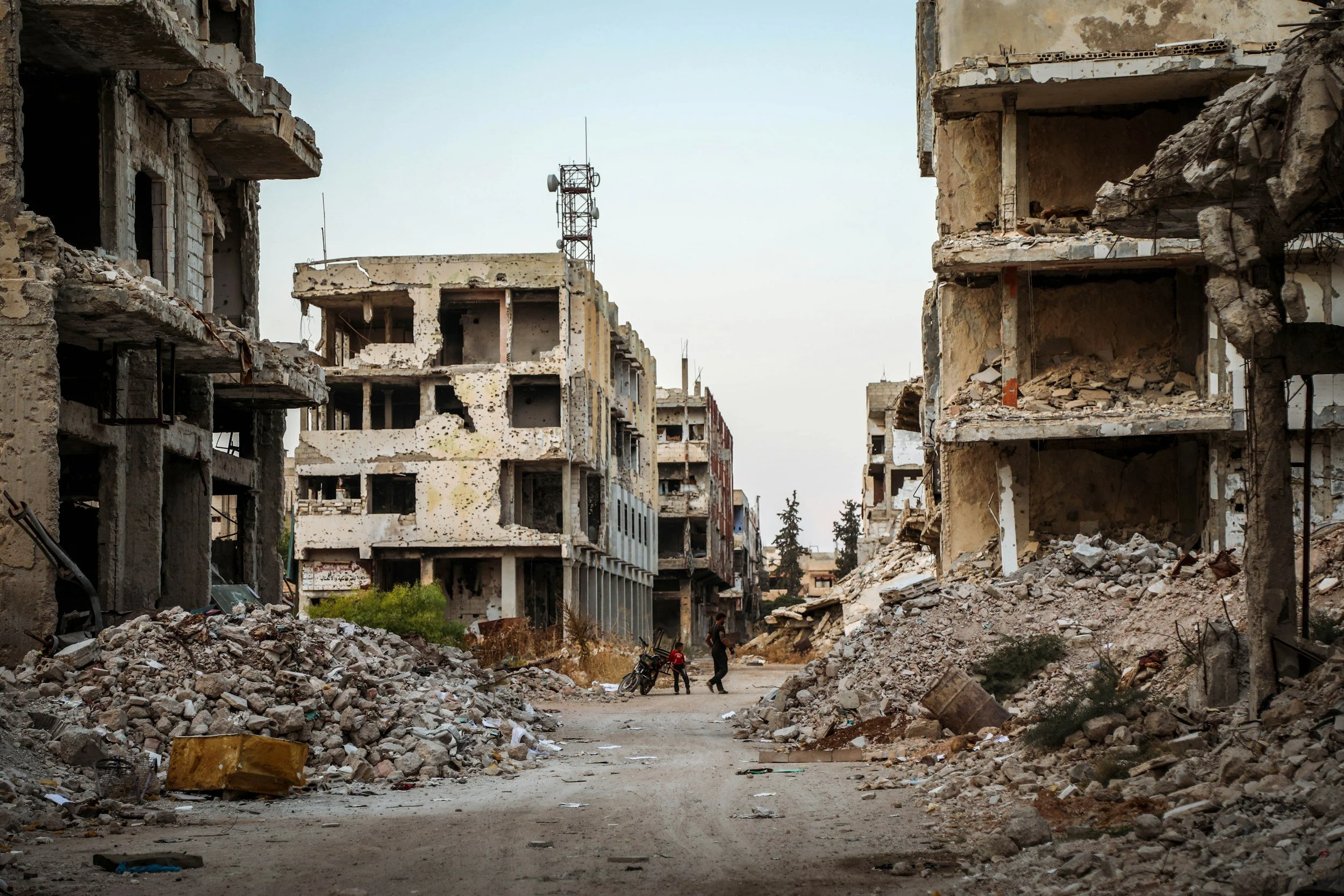
Modern war coverage often focuses on strategy: which nation will respond, which alliances might shift, and how global markets might react. These are important questions, but beneath every geopolitical analysis are civilians whose lives are upended in ways that rarely fit into short news segments.
For people living in conflict zones, war reshapes the most basic aspects of life. Parents worry about whether schools will remain open, while families quietly debate whether to stay or flee. Access to food, medicine, electricity, and communication becomes uncertain, and everyday routines—work, commuting, visiting loved ones—can disappear almost overnight.
War does not arrive with clear boundaries or timelines. Civilians often endure its longest and most unpredictable consequences. For those who eventually become refugees or asylum seekers, the journey that follows can be just as complex, requiring them to navigate unfamiliar systems and cultures while processing the trauma of what was left behind.
Why New Wars Can Trigger Old Memories
When someone has lived through conflict, the brain does not interpret war as an abstract concept. Even years later, news coverage can activate emotional and physical responses such as anxiety, hyperawareness, disrupted sleep, or a persistent sense of danger. This is often described as trauma reactivation, where present-day reminders reconnect the mind and body to earlier experiences. For immigrants from war-affected regions—whether Liberia, Democratic Republic of Congo, Afghanistan, Ukraine, Sudan, or elsewhere—watching another conflict unfold can bring a complex mix of empathy, grief, fear, and memory. For asylum seekers rebuilding their lives in the United States, these reactions can feel especially intense. Many came in search of safety and stability, and new conflicts can unsettle that fragile sense of distance from danger.
My Own Perspective as an Immigrant
Growing up with the legacy of Liberia’s civil war means that war is not something I understand only through news coverage. It lives in the history of Liberia and in the stories of those around me. Even after building a life elsewhere, those memories shape how I interpret world events. When I see civilians fleeing bombed neighborhoods, I do not only see a geopolitical crisis. I see families making impossible decisions—the same kind of decisions many people in my home country once faced. That perspective creates a deep sense of connection to people experiencing conflict today. It also makes the news heavier to carry. Across immigrant communities in the United States, many people share this layered experience. For immigrants, global conflicts are never just international news. They are reminders of where they have been and what they have survived.
Staying Informed Without Being Overwhelmed
One of the most difficult challenges during a major conflict is finding a balance between staying informed and protecting mental well-being. Today’s media environment often prioritizes urgency and emotional intensity, which can amplify stress, especially for those already sensitive to war-related trauma.
1. Set Boundaries Around News Consumption
Setting boundaries around news consumption can make a meaningful difference. Limiting exposure to specific times of day, rather than continuously checking updates, allows space for emotional recovery. Turning off constant notifications can also reduce the sense of urgency that fuels anxiety.
2. Choose Reliable Sources Over Viral Content
Choosing reliable, in-depth sources instead of viral or sensationalized content helps create a clearer, more grounded understanding of events. While social media often circulates dramatic or unverified information, thoughtful reporting provides context that can ease uncertainty rather than intensify it.
3. Recognize Emotional Triggers
It is equally important to recognize personal emotional triggers. For some, graphic images or videos may be overwhelming, and opting for written coverage instead can help maintain awareness without emotional overload. Protecting mental health is not avoidance—it is sustainability.
4. Stay Connected With Community
Connection plays a vital role. Speaking with friends, family, or members of one’s community—especially those who share similar lived experiences—can transform isolation into understanding. These conversations remind us that we are not carrying these feelings alone.
5. Focus on What You Can Control
Finally, focusing on what is within one’s control can restore a sense of agency. Whether through supporting humanitarian efforts, engaging in community advocacy, or helping refugees adjust to new environments, small actions can counterbalance the helplessness that often accompanies distant conflicts.
Remembering the Human Story
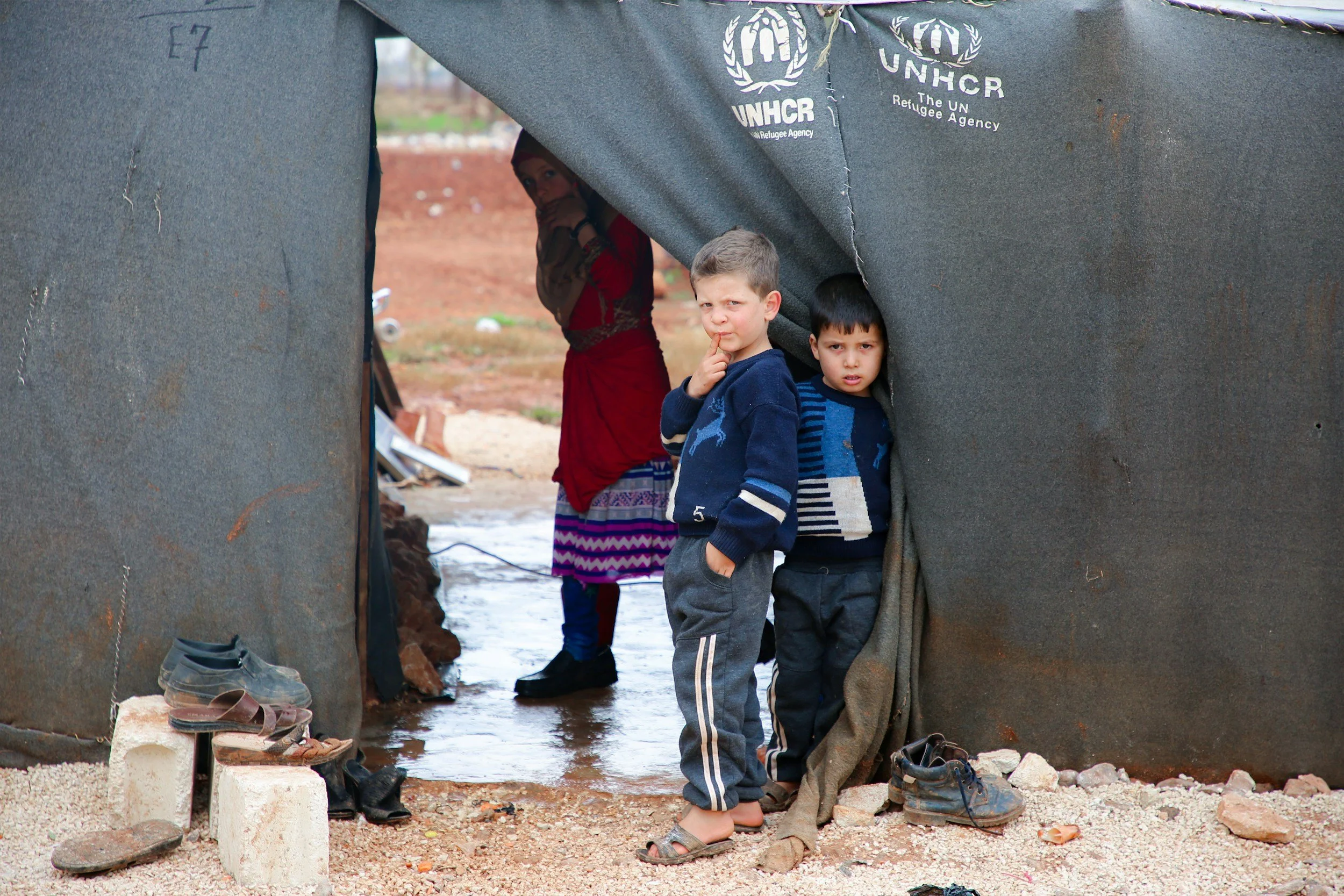
In times of war, it is easy for human stories to become overshadowed by political analysis and military language. Yet wars are ultimately lived by civilians—teachers, shop owners, parents, and children—whose daily lives are disrupted by forces beyond their control. For those who have experienced war firsthand, the empathy felt toward civilians in new conflicts is often immediate and profound. It serves as a reminder that survival is not only about escaping violence, but also about rebuilding life in its aftermath.
Holding Space for Both Awareness and Healing
As the situation involving Iran unfolds and global attention turns toward its implications, people will engage with the news in different ways. Some will focus on strategy and politics. Others, especially those with lived experience of conflict, will feel something more personal. We watch with recognition as much as concern. Staying informed matters. Caring about civilians matters. Supporting humanitarian efforts matters, but so does protecting our peace of mind. Because those who have survived war already understand something the headlines rarely capture: peace is not simply the absence of conflict. It is the quiet, fragile space where people can finally begin to live without fear.
A Call to Seek Support
If you find yourself feeling overwhelmed, anxious, or emotionally affected by news of war—especially if it connects to your own past—you are not alone, and you do not have to carry those feelings by yourself. Consider reaching out to someone you trust: a friend, family member, or community leader who understands your experiences. For many, speaking openly is the first step toward easing the weight of what they are carrying. If your feelings persist or begin to interfere with your daily life, seeking professional support can make a meaningful difference. Therapists, counselors, and support groups—particularly those experienced in trauma or immigrant experiences—can provide tools to help you process emotions safely and constructively.
Many communities also have local organizations that support refugees and immigrants, offering both emotional and practical resources. Connecting with these spaces can remind you that healing is not something you have to navigate alone. Taking care of your mental health is not a sign of weakness. It is an essential part of resilience—and a necessary step toward sustaining the peace you have worked so hard to build in your own life.